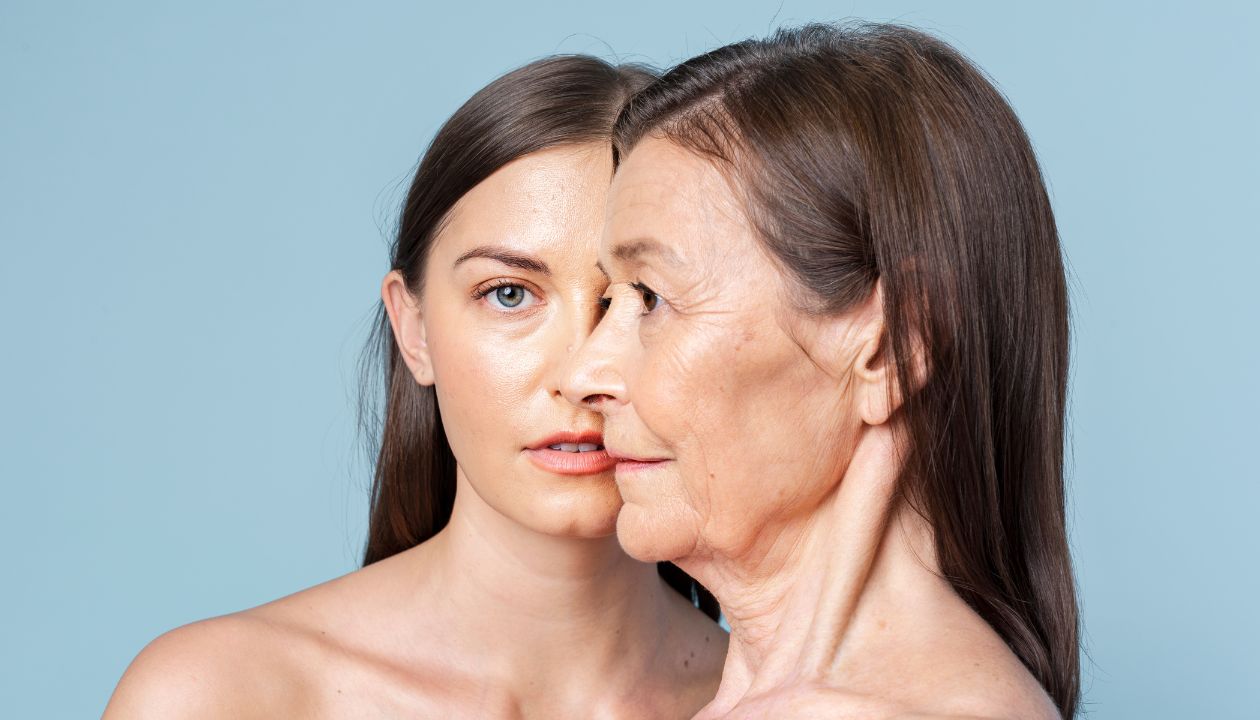
If you’re considering rejuvenating your appearance, a facelift could be an option worth exploring. Facelift surgery, or rhytidectomy, is a popular procedure designed to tighten and lift sagging skin while enhancing your overall facial profile.
In this text, we’ll investigate into what a facelift entails, who typically opts for the surgery, and how it may benefit your aesthetic goals. Whether you’re looking for a youthful glow or simply want to feel more confident in your appearance, understanding the procedure is the first step toward making an well-informed choice.
Overview of Facelift Surgery
What Is A Facelift (Rhytidectomy)?
A facelift, also known as rhytidectomy, is a cosmetic surgical procedure aimed at giving your face a more youthful appearance.
During this procedure, excess skin is removed, and underlying tissues are tightened to counteract the effects of aging, such as sagging skin and facial wrinkles.
Who Gets Facelifts?
Facelifts are most commonly sought by individuals in their 40s to 70s who experience visible signs of aging. But, the procedure is not limited to any specific age group.
Many people choose to undergo a facelift to rejuvenate their appearance, boost self-esteem, or complement other cosmetic procedures.
How Common Are Facelifts?
Facelifts have become increasingly popular over the years, with thousands of procedures performed annually in the United States alone. According to the American Society of Plastic Surgeons, facelift procedures rank among the top five cosmetic surgical procedures sought by patients.
Types of Facelifts
Mini-Facelift
A mini-facelift is a less invasive option designed for individuals needing minimal rejuvenation. This procedure typically involves smaller incisions and offers a shorter recovery time, making it an ideal choice for younger patients or those looking for subtle changes.
Traditional Facelift
The traditional facelift involves more extensive incisions and is suitable for patients requiring significant tightening of facial skin. This method addresses sagging skin around the jawline and neck while improving overall facial contour.
Deep Plane Facelift
The deep plane facelift is a more advanced technique that lifts the deeper layers of facial tissue. This method provides longer-lasting results and a more natural appearance, effectively addressing deeper wrinkles and sagging.
Nonsurgical Alternatives to Facelifts
If surgery isn’t for you, there are nonsurgical alternatives, such as injectable fillers, Botox, and laser treatments. These options can provide temporary results with minimal downtime, making them suitable for those seeking less drastic enhancements.
Facelift Procedure Details
What Happens During A Facelift Consultation?
During your initial consultation, the surgeon will evaluate your facial structure and discuss your goals and concerns. They will explain the procedure in detail, outline potential risks, and determine the best approach tailored to your needs.
Preparing for Facelift Surgery
Preparation for surgery may include lifestyle changes in the weeks leading up to the procedure. You may be advised to avoid blood thinners, smoking, and certain medications to enhance recovery outcomes.
What Happens During Facelift Surgery?
On the day of the surgery, you will receive anesthesia to ensure comfort. The surgeon will make incisions based on the chosen technique, reshape and tighten underlying muscles, and remove excess skin. The surgery usually lasts between two to four hours, depending on the complexity.
Post-Operative Care and Recovery
What to Expect During Recovery?
Post-surgery, you can expect some swelling, bruising, and discomfort. Your surgeon will provide specific instructions on managing pain and caring for your incisions. Taking it easy during this time is crucial for optimal healing.
Typical Recovery Timeline
The majority of swelling and bruising typically subsides within two weeks: but, complete healing can take several months. Most patients can return to regular activities within one to two weeks, depending on their individual healing process.
When Can I Resume Normal Activities?
While light activities can usually resume after one week, more vigorous exercises may be restricted for up to six weeks. Your surgeon will provide personalized guidance based on your recovery progress.
Risks and Benefits of Facelift Surgery
Benefits of Facelift Surgery
Facelift surgery can dramatically improve your appearance by lifting sagging skin, reducing wrinkles, and creating a more youthful contour. Many patients report increased self-esteem and confidence following the procedure.
Possible Complications and Side Effects
As with any surgery, facelift procedures come with potential risks, including infection, scarring, and anesthesia complications. It’s essential to discuss these with your surgeon to ensure you’re well-informed before making any decisions.
When To Call The Doctor After Surgery
While some discomfort and swelling are normal after a facelift, you should contact your healthcare provider if you notice increased redness, unusual swelling, fever, or excessive pain. Prompt communication ensures any complications are addressed swiftly.
Conclusion
Eventually, a facelift can be an effective way to enhance your appearance and restore your confidence. By understanding the different types of facelifts, the surgical process, and the recovery period, you can make a well-well-informed choice about whether this procedure is right for you.
Always consult with a qualified surgeon to discuss your options and ensure your expectations align with what is realistically achievable.
Frequently Asked Questions
What is a facelift and how does it work?
A facelift, or rhytidectomy, is a cosmetic surgical procedure that tightens and lifts sagging skin to create a more youthful appearance. It involves removing excess skin and tightening underlying tissues to reduce wrinkles and sagging.
Who is a good candidate for a facelift?
Typically, individuals between the ages of 40 and 70 seeking to rejuvenate their appearance are ideal candidates for a facelift. However, it’s open to anyone wanting to enhance their facial aesthetics.
What are the key benefits of undergoing facelift surgery?
Facelift surgery can significantly improve your appearance by lifting sagging skin, reducing wrinkles, and enhancing facial contours. Many patients also experience increased self-esteem and confidence following the procedure.
How long does a facelift procedure usually take?
The facelift surgery usually lasts between two to four hours, depending on the complexity of the procedure and the techniques used.
Are there any non-surgical alternatives to a facelift?
Yes, alternatives like injectable fillers, Botox, and laser treatments offer temporary results with less downtime, making them suitable for those who prefer non-invasive enhancements.
What should I expect during recovery after a facelift?
Post-surgery, expect swelling and bruising, with most discomfort subsiding within two weeks. Full recovery may take several months, but many return to normal activities within one to two weeks.
Rejuvenate Your Look at Gladstone Clinic in Tri-Valley
Curious about what a facelift can do for you? Gladstone Clinic offers expert facial rejuvenation with a personalized, natural-looking approach. Our trusted team is here to guide you through every step. Take the next step in your aesthetic journey—contact us today to schedule your consultation while spots are still available.