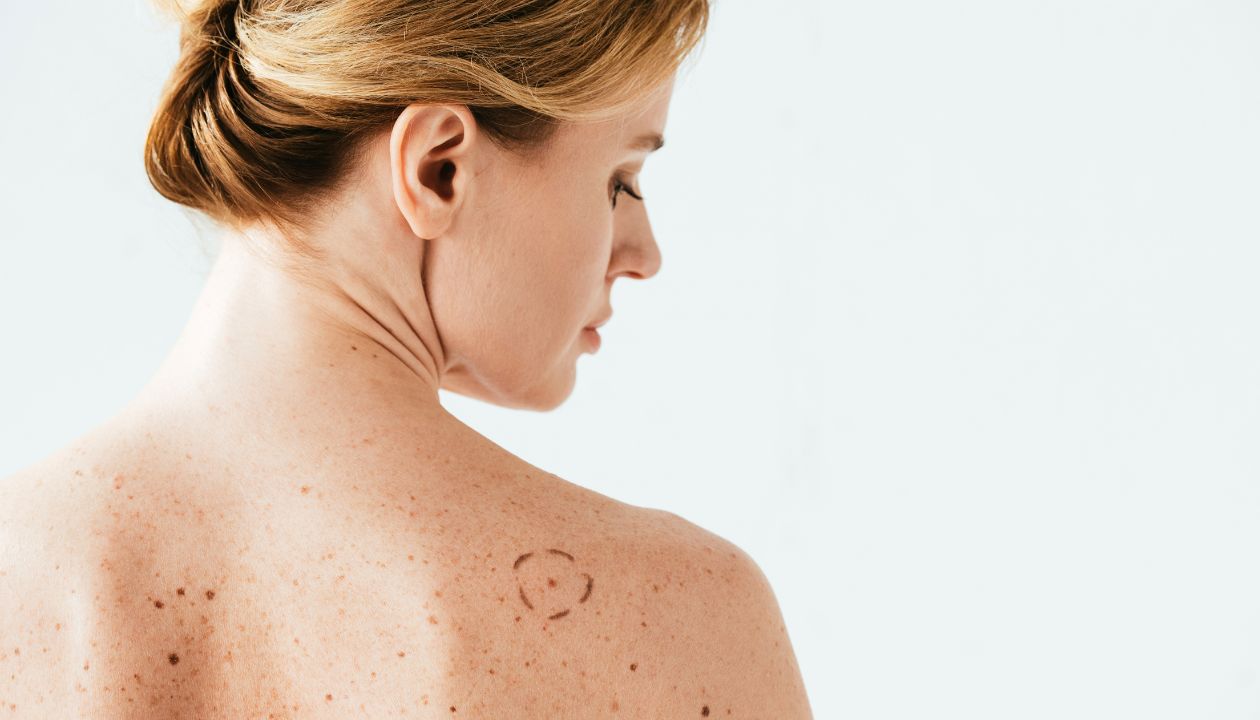
Skin cancer screening is one of the easiest and most effective preventive steps you can take to protect your health. Whether you’re a frequent sun worshipper, a fair-skinned person, or someone with a family history of melanoma, screening helps catch dangerous changes early, when treatment is simplest and outcomes are best.
This guide explains what skin cancer screening involves, who should get screened and how often, the simple monthly self-check you can do at home, and what to expect during a professional exam. Read on so you’ll know exactly when to act and what questions to ask your clinician.
What Is Skin Cancer Screening And Why It Matters
Skin cancer screening is the set of actions, self-checks and professional exams, designed to find suspicious skin changes early. The goal is to identify precancerous lesions, basal or squamous cell carcinomas, and melanoma before they grow deeper or spread.
Early detection sharply increases treatment options and reduces the need for more invasive procedures. For melanoma, finding a lesion at an early stage can mean a near-complete cure rate, whereas advanced melanoma requires systemic therapies with more side effects.
Screening isn’t a single test like a blood draw. It’s a process: you examine your skin regularly, your clinician evaluates suspicious spots during routine visits, and if needed, a biopsy confirms the diagnosis. That “Skin Cancer Screening process”, awareness, inspection, professional evaluation, and timely biopsy, is what prevents small, treatable lesions from becoming dangerous.
You should think of screening as a partnership between your everyday vigilance and your healthcare provider’s expertise.
Who Should Get Screened And How Often
Not everyone needs the same screening schedule.
You should get screened more often if you have higher risk. Routine professional skin exams are commonly recommended annually for many adults, but your personal risk factors will change that frequency. Your clinician will tailor recommendations based on your history, skin type, and prior lesions.
High-risk people may be advised to come every 3–6 months, while low-risk individuals might only need an exam every year or two. Importantly, you don’t have to wait for an appointment to act, any new, changing, bleeding, painful, or otherwise unusual spot should prompt a visit. Also, discuss sun protection and preventive measures during your visit: screening is most effective when paired with active prevention and education.
Common Risk Factors That Signal Earlier Or More Frequent Screening
Several clear risk factors mean you should be more proactive about screening:
- Fair skin, light hair, or freckles: Less melanin means less natural protection from UV.
- History of intense sunburns, especially in childhood: Severe burns raise long-term melanoma risk.
- Numerous moles or atypical (dysplastic) nevi: More moles increase the chance one will transform.
- Personal history of skin cancer: If you’ve had any skin cancer, recurrence or new primaries are possible.
- Family history of melanoma: A first-degree relative with melanoma raises your risk.
- Immunosuppression: Organ transplant recipients or people on long-term immunosuppressive therapy face higher rates.
- Occupational or recreational UV exposure: Outdoor workers and frequent tanners are at increased risk.
If any of these apply to you, ask your clinician whether 3- or 6-month checks are appropriate. Make sure your medical record lists these risk factors so future providers can follow the right screening cadence.
Step-By-Step Self-Check Routine To Do Monthly
Do a full-body self-exam once a month. It takes 5–10 minutes and can catch changes between appointments. Use a mirror and good lighting: a handheld mirror and a partner can help with hard-to-see areas. Follow this routine:
- Prepare: Stand in a well-lit room with a full-length mirror. Remove makeup and examine skin after a bath or shower when skin is clean.
- Face and scalp: Check your face, ears, neck, and scalp. Use a comb or a mirror to part hair and inspect the scalp thoroughly. Ask a partner to look at the back of your head.
- Torso: Examine your chest and stomach. Women should lift breasts to check underneath and between. Use a mirror for your back and shoulders.
- Arms and hands: Inspect underarms, forearms, palms, and between fingers. Don’t forget fingernails.
- Legs and feet: Sit to inspect the front and sides of legs, then use a mirror for the back. Check the soles, toenails, and between toes.
- Genital area: Gently examine the groin and buttocks, and ask a clinician about routine checks if you’re unsure how to do this comfortably.
- Track changes: Photograph spots that look unusual and measure them roughly. Keep a log or use a secure app so you can show your clinician a consistent record.
Use the ABCDE rule for moles: Asymmetry, Border irregularity, Color variation, Diameter over 6 mm, and Evolving. Any spot that fits these or that bleeds, itches, or looks different from your other moles (the “ugly duckling”) should be evaluated promptly.
What To Expect During A Professional Skin Exam
During a professional skin exam a dermatologist or qualified clinician will perform a systematic inspection of your skin from head to toe. They’ll review your medical and family history, ask about sun exposure and tanning behaviors, and compare any current spots to past photos if you have them. The visual exam is thorough: the clinician will examine scalp, nails, mucous membranes, and body folds, areas people often miss.
If your clinician uses dermoscopy (a handheld magnifier with light), they’ll examine suspicious lesions more closely: dermoscopy improves diagnostic accuracy for melanoma and other lesions. For people with many atypical moles, clinicians may recommend total-body photography and digital monitoring so new or changing lesions can be tracked objectively over time.
These tools are part of a modern Skin Cancer Screening process that reduces unnecessary biopsies while catching true threats earlier.
Tests, Tools, And When A Biopsy Is Recommended
Most skin cancer screening visits involve no invasive tests, only inspection. But when a lesion looks suspicious, your clinician will recommend a biopsy to obtain tissue for pathology. There are several biopsy types:
- Shave biopsy: Removes a thin layer of skin: useful for superficial lesions.
- Punch biopsy: Removes a small, full-thickness core: good for diagnosing many rashes and suspicious spots.
- Excisional biopsy: Removes the entire lesion plus a margin of normal skin: preferred when melanoma is suspected.
Your clinician will explain the reason for the biopsy and which type suits the lesion. Local anesthesia makes the procedure quick and generally well-tolerated.
Pathology determines the diagnosis and, for melanoma, important features like depth (Breslow thickness) and margin status that guide treatment. If skin cancer is confirmed, treatment ranges from simple surgical removal in the office to Mohs micrographic surgery for certain cancers on the face, and multidisciplinary care for advanced cases. Discuss expected timelines, wound care, and follow-up plans before leaving the clinic.
Conclusion
Skin cancer screening is a simple, high-value habit you can adopt today: monthly self-checks combined with the right professional exams tailored to your risk. Know your risk factors, document changes with photos, and ask your clinician about dermoscopy or digital monitoring if you have many moles.
Early detection through a consistent Skin Cancer Screening process saves lives and reduces treatment burden, so don’t delay. If you notice anything new or changing on your skin, schedule an exam: your skin will thank you.
Skin Cancer Screening FAQs
What is skin cancer screening and why is it important?
Skin cancer screening involves self-checks and professional exams to detect suspicious skin changes early, increasing treatment options and improving outcomes by catching cancer at a treatable stage.
Who should get screened for skin cancer and how often?
Screening frequency depends on risk factors, with most adults advised annual exams. High-risk individuals may need exams every 3–6 months, while low-risk people might have screenings every 1–2 years.
How do I perform a monthly skin cancer self-check at home?
Use a mirror in good lighting to examine your entire body, including scalp, face, torso, limbs, and genital area, following the ABCDE rule for moles. Keep a log with photos of any unusual or changing spots.
What are the common risk factors that require more frequent skin cancer screening?
Risk factors include fair skin, light hair, history of sunburns, numerous moles, personal or family history of skin cancer, immunosuppression, and frequent UV exposure due to work or recreation.
What should I expect during a professional skin cancer screening exam?
A clinician will conduct a thorough head-to-toe skin inspection, review your history and sun exposure, use tools like dermoscopy for close lesion analysis, and may recommend photography to track changes over time.
When is a biopsy recommended in skin cancer screening?
If a lesion looks suspicious, a biopsy—such as shave, punch, or excisional—is performed to obtain tissue for diagnosis and guide treatment, typically under local anesthesia.
Book a Skin Check With Gladstone Clinic Today
A full skin check is one of the smartest ways to stay proactive when it comes to suspicious spots or changing skin concerns. Gladstone Clinic helps patients in the Tri-Valley Area with personalized screenings and clear next steps when something needs a closer look. Schedule a skin check today and get peace of mind from a focused evaluation.