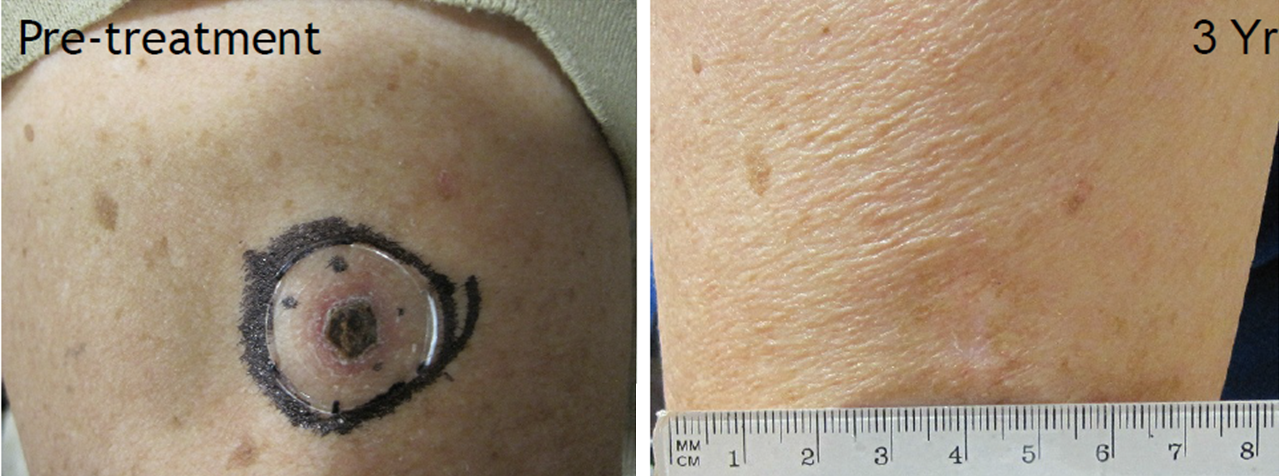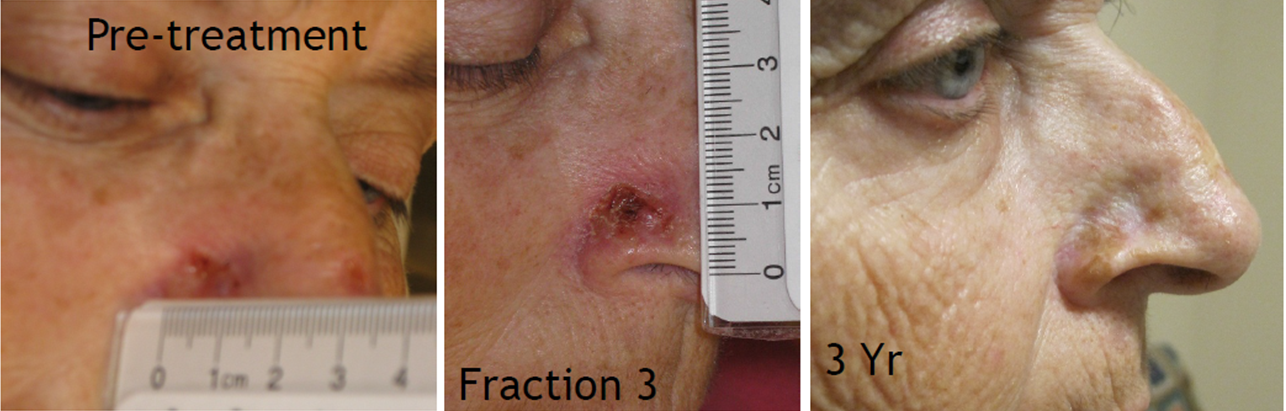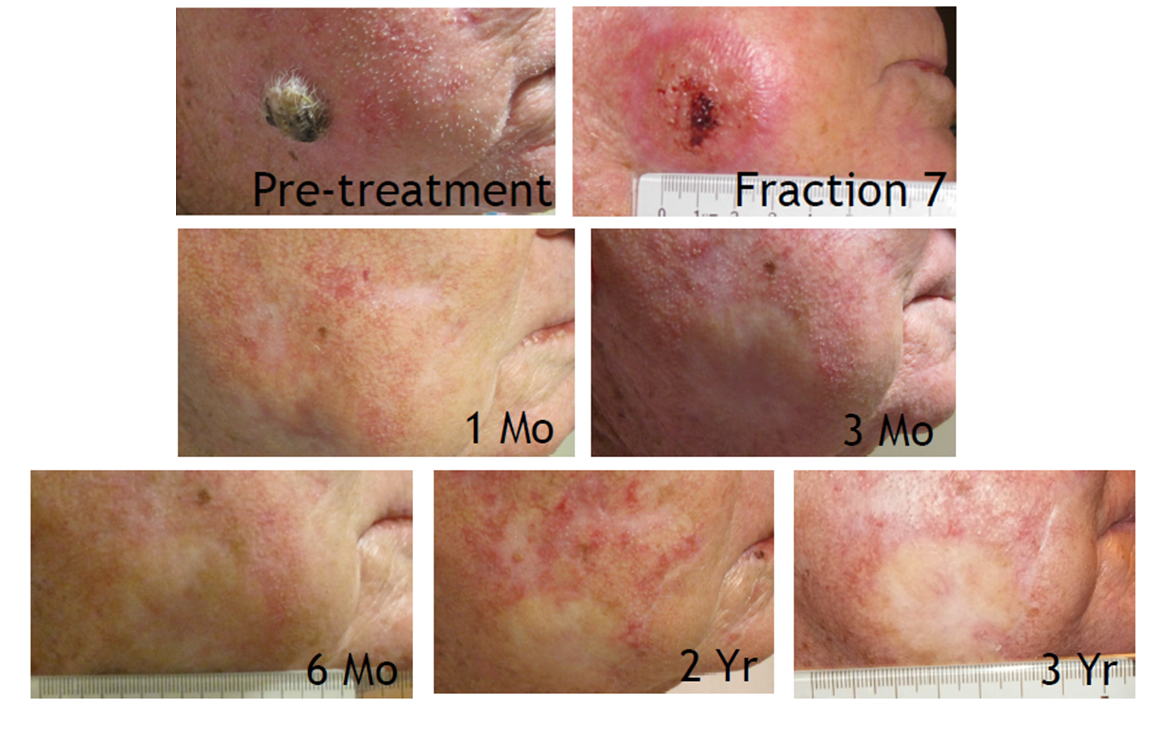
The Gladstone Clinic is proud to offer superficial radiation therapy (SRT) — including state-of-the-art Electronic Brachytherapy (EBX) — for the treatment of skin cancer. SRT is available to patients in San Ramon, Danville, Pleasanton, San Francisco and the surrounding communities. Though Mohs surgery is the gold standard for the treatment of non-melanoma skin cancer, Dr. Gladstone understands that surgery may not be the best option for all patients, and wants to customize your skin cancer care with as many effective treatment options as possible.
What is SRT?
Superficial radiation therapy, or SRT, is a skin cancer treatment offering limited discomfort, no cutting or stitches and little to no scarring. SRT has emerged as one of the most effective — and most sought-after — options to treat basal cell carcinoma and squamous cell carcinoma. It also treats non-malignant tumors that cause keloids. Delivered by an experienced radiation oncologist, SRT offers a cure rate as high as 98.7%, making it a competitive choice compared to skin surgery and Mohs surgery options.
Candidates for SRT include:
- People with multiple skin cancers at the same time
- Patients with a fear of needles or surgery
- Patients unfit for surgery due to significant cardiac or pulmonary disease
- Patients on anti-coagulation medications
What is Electronic Brachytherapy?
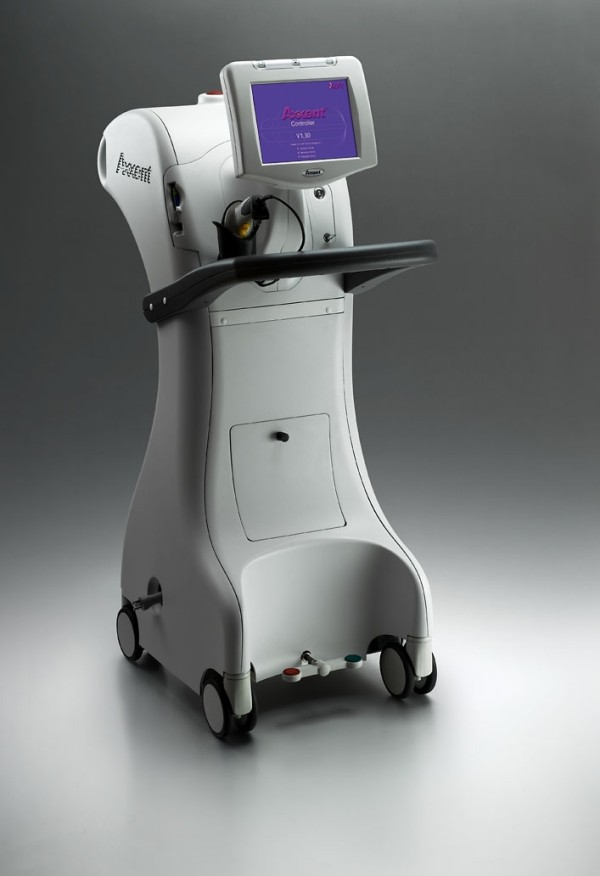 Electronic Brachytherapy is a form of superficial radiation therapy that can be performed in an office setting. It does not use an isotope as its energy source. Electronic Brachytherapy has been used for other cancers, but more recently has been used to treat skin cancers. There are no needles used since this treatment doesn’t require numbing. There should be no downtime, and patients can immediately resume normal activities. These treatments are performed at the Gladstone Clinic in San Ramon.
Benefits of SRT for Skin Cancer
Rather than cutting the cancer from the skin, SRT uses a precise dose of external radiation to destroy the cancer cells. The radiation only goes skin-deep, limiting risk to healthy internal tissues. Since the treatment does not involve cutting, bleeding or stitches, there’s little to no pain, low risk of infection and no need for reconstructive plastic surgery. There is also no downtime or special precautions following treatment — you can continue working and bathing following treatment.
SRT Is a Safer Treatment Option for Skin Cancer
SRT can be especially beneficial if you have existing conditions that make skin surgery more risky, such as conditions that make you slow to heal or increase your risk of serious bleeding like diabetes or treatment that involves blood thinners. The nonsurgical nature of SRT also means there’s no need for anesthesia and no bandages and dressings to maintain.
What skin cancers is EBX/SRT used for?
Generally, EBX/SRT is effective for basal cell cancers and squamous cell cancers of the skin.
What areas of the body is EBX/SRT used for?
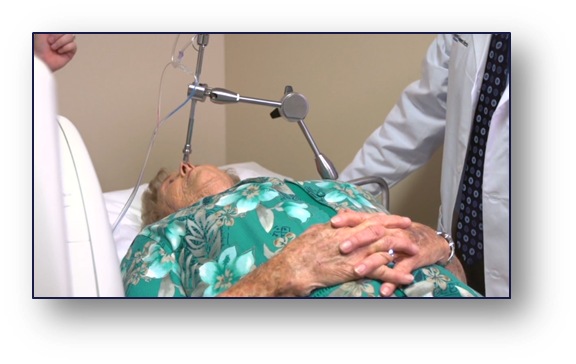 Most areas can be treated. EBX/SRT is particularly effective in cosmetically sensitive areas such as the face as well as hard-to-heal areas such as the shin.
What is the EBX/SRT cure rate?
SRT offers a cure rate as high as 98.7%. Studies have shown that EBX cure rates are over 90%.
Does EBX/SRT hurt?
The procedure does not involve pain.