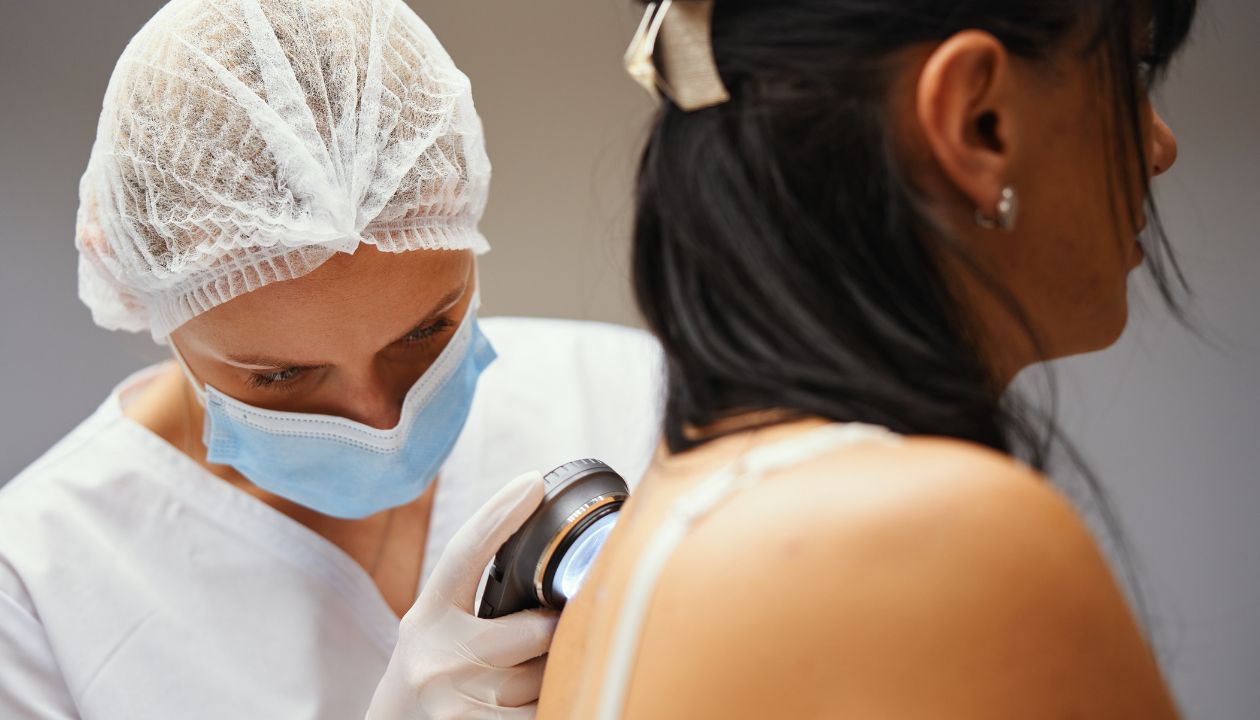
Skin cancer is one of the most common cancers in the United States, with over 5 million cases treated each year. The good news? Early detection through regular skin cancer screenings can significantly increase your chances of successful treatment.
When skin cancers like melanoma, basal cell carcinoma, and squamous cell carcinoma are caught early, treatment options become less invasive and more effective. Prioritizing regular screenings not only helps you stay informed about your skin but also equips you with essential self-examination techniques to spot changes early.
Don’t underestimate the importance of early detection—your skin deserves the best care possible.
Importance of Skin Cancer Screening
Skin cancer screening plays a vital role in reducing mortality rates and enhancing treatment success. Regular screenings greatly increase early detection rates, fundamentally altering the outcomes for individuals diagnosed with skin cancer.
Impact of Early Detection
Early detection of skin cancer leads to significantly better treatment outcomes. For instance, melanoma, if detected in its earliest stages, boasts a five-year survival rate of 99%.
When skin cancer is diagnosed early, treatments become less invasive, often requiring only simple excisions or topical therapies. Patients who undergo regular screenings and recognize the signs of skin cancer early can avoid extensive surgeries or chemotherapy, leading to a smoother recovery process.
Recognizing potential malignancies promptly not only improves survival rates but also minimizes the physical and emotional impact of more aggressive treatments.
Common Myths Surrounding Screenings
Several myths exist about skin cancer screenings that can deter individuals from seeking necessary evaluations. One prevalent myth is that skin cancer only affects those with fair skin.
In reality, skin cancer can develop in individuals of any skin type. Another common misconception is that self-examinations suffice without professional screenings.
While self-examinations are important, they cannot replace comprehensive evaluations conducted by healthcare providers. Additionally, some people believe that they don’t need screenings if they feel healthy, but skin cancer often presents without clear symptoms.
Types of Skin Cancer Detected
Early detection through skin cancer screenings identifies various types of skin cancer, allowing for timely and effective treatment. The two main categories include melanoma and non-melanoma skin cancers.
Melanoma
Melanoma is the most aggressive type of skin cancer, characterized by the uncontrolled growth of pigment-producing cells. It often appears as a new or changing mole that may have irregular borders, varied colors, or a larger diameter.
If detected early, the five-year survival rate exceeds 98%. However, if melanoma spreads to other areas of the body, survival rates decrease significantly.
Non-Melanoma Skin Cancers
Non-melanoma skin cancers, primarily basal cell carcinoma and squamous cell carcinoma, are the most prevalent forms of skin cancer, accounting for over 1 million cases diagnosed annually in the United States.
Basal cell carcinoma typically presents as a pearly bump or a waxy scarlike lesion, while squamous cell carcinoma may appear as a firm red nodule or a flat lesion with a scaly crusted surface. These cancers are generally less aggressive than melanoma and rarely metastasize, but early treatment is essential to prevent local damage.
What to Expect During a Screening
Skin cancer screenings are straightforward and non-invasive, aimed at detecting any suspicious changes on your skin. Understanding the preparation and the screening process helps you feel more comfortable and informed.
Preparation Steps
Before your skin cancer screening, consider the following steps to ensure a smooth experience:
- Schedule Your Appointment: Choose a date and time that allows ample time for the examination without feeling rushed.
- Avoid Sun Exposure: Refrain from tanning and sun exposure at least 24 hours before your appointment to ensure your dermatologist can examine your skin more accurately.
- Prepare Medical History: Be ready to discuss your medical history, including any past skin issues, family history of skin cancer, and any medications you’re currently taking.
- Wear Comfortable Clothing: Opt for loose-fitting clothing that allows for easy access to your skin during the examination.
- Plan for a Full-Body Check: Prepare to remove any makeup or nail polish, as this helps with a thorough evaluation.
Screening Process Overview
During the screening, you can expect the following steps:
- Medical History Review: Your dermatologist will discuss your medical history, ensuring they understand any previous skin problems or family history of skin cancer.
- Full-Body Examination: You’ll change into a gown, allowing the dermatologist to examine your skin from head to toe, including less visible areas like the scalp and soles of your feet.
- Documentation: The dermatologist may take photographs of suspicious moles or spots to document them for future assessments.
- Biopsy if Needed: If any abnormal areas are found, a small sample may be taken for laboratory analysis, helping to confirm or rule out a diagnosis.
Understanding these steps enhances your comfort level and ensures you’re equipped to prioritize your skin health effectively.
Recommendations for Effective Screenings
Regular skin cancer screenings are vital for early detection, enabling timely treatment and improved survival rates. Consider the following guidelines and techniques to maximize the effectiveness of your screenings.
Guidelines and Frequency
Understand the importance of personalized screening schedules based on your individual risk factors.
- High-Risk Individuals: Those with a family history of skin cancer or significant sun exposure should undergo annual screenings.
- General Population: Adults should schedule a baseline screening in their 20s or 30s and continue screenings as recommended by their dermatologist.
- Regular Self-Exams: Conduct monthly self-examinations to monitor changes in your skin, including the appearance of new moles or changes in existing ones.
Stay informed about new developments or recommendations in skin health from trusted health organizations like the American Academy of Dermatology (AAD) and the American Cancer Society (ACS).
Self-Examination Techniques
Perform regular self-examinations to identify any skin changes early. Follow these steps for a thorough evaluation:
- Full-Bodied Check: Inspect your entire body, including hard-to-see areas like your back and scalp.
- Mirror Use: Utilize mirrors to see areas that are difficult to view directly.
- Look for Changes: Examine moles or spots for irregular borders, uneven colors, changes in size, or any new growth.
- Record Findings: Take notes or photographs of any suspicious changes to discuss with your dermatologist during your next professional screening.
By incorporating these guidelines and self-examination techniques into your routine, you enhance your chances of detecting skin cancer early and improving treatment outcomes.
Conclusion
Prioritizing skin cancer screenings is essential for safeguarding your health. Early detection can dramatically improve treatment outcomes and increase survival rates. By understanding the importance of regular evaluations and debunking common myths, you empower yourself to take charge of your skin health.
Incorporating self-examinations and professional screenings into your routine not only enhances your chances of catching skin cancer early but also sets the stage for effective and less invasive treatments. Don’t wait for symptoms to appear; make skin health a priority today. Your proactive approach could save your life.
Frequently Asked Questions
How common is skin cancer in the United States?
Skin cancer is incredibly common in the U.S., with over 5 million cases treated annually. It affects individuals of all skin types, making awareness and screening vital for early detection and treatment.
What types of skin cancer are most frequently diagnosed?
The most commonly diagnosed types of skin cancer are melanoma and non-melanoma cancers, including basal cell carcinoma and squamous cell carcinoma. Early detection of these cancers significantly enhances treatment outcomes.
Why are regular skin cancer screenings important?
Regular skin cancer screenings are crucial because they facilitate early detection, improving treatment success rates. Early identification can drastically increase survival rates, especially for aggressive cancers like melanoma.
What should I expect during a skin cancer screening?
During a skin cancer screening, a dermatologist will examine your skin, review your medical history, and document any abnormal areas. The process is non-invasive and may include a biopsy if necessary.
How often should I get screened for skin cancer?
Individuals at high risk for skin cancer should undergo annual screenings, while the general population should have their first baseline screening in their 20s or 30s. Regular self-examinations are also encouraged.
Can self-examinations replace professional screenings?
No, self-examinations cannot replace professional screenings. While self-checks are important for identifying changes, comprehensive evaluations by healthcare providers are essential for accurate diagnosis and early treatment.
What are some preparation tips for a skin cancer screening?
Before a screening, schedule an appointment, avoid sun exposure, prepare your medical history, wear comfortable clothing, and be ready for a full-body examination. These steps help ensure an effective evaluation.
What myths exist about skin cancer?
Common myths include the belief that only fair-skinned individuals are at risk or that self-examinations can replace professional checks. Skin cancer can affect anyone, and professional evaluations are critical for early detection.
How can I improve my chances of early detection?
To improve your chances of early detection, schedule regular screenings based on your risk factors, perform routine self-examinations, and document any suspicious changes to discuss with your dermatologist.
Protect Your Health with Gladstone Clinic in the Tri-Valley Area
Early detection saves lives, and Gladstone Clinic is here to provide thorough, reliable skin cancer screenings. Schedule your screening today to safeguard your health and gain peace of mind with expert care from our dedicated team.